
Interrupting Action
To create space for awareness

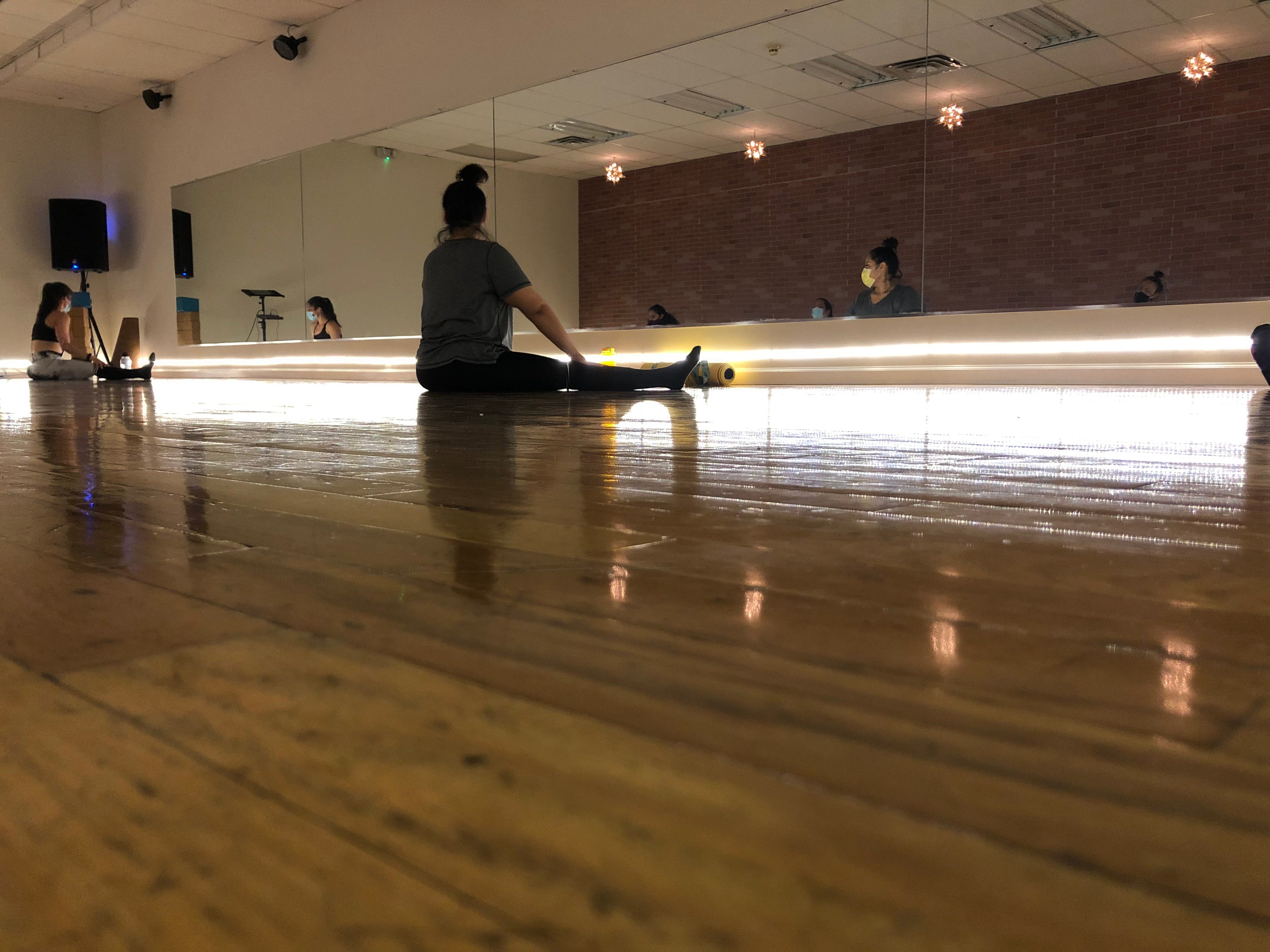
The third time you replay the conversation, you can feel the familiar loop tightening. A single awkward sentence echoes in your mind, and before the memory has even settled, you think, I really need to stop overthinking.
A compliment lands, and warmth rushes through your chest. Then, almost immediately, another thought follows close behind: I shouldn’t need this so much. What began as a moment of pleasure turns into a new self-improvement assignment.
You hear yourself say yes to something you didn’t want to do. Before the day is over, you’re scrolling through articles about boundaries, determined to make sure it doesn’t happen again.
That shift happens fast. The moment we notice a pattern, we often move straight into fixing it. Many of us are so practiced at self-improvement that awareness barely has time to land before it becomes a project.
None of these responses are wrong. Growth often requires action. The question is whether we give ourselves enough time to understand what we’ve noticed before trying to change it.
Awareness can change our relationship with something before it changes the thing itself. The simple act of noticing creates space—space between impulse and action, space between emotion and reaction, and space between an old pattern and a new possibility.
That space is often where wisdom lives. Yet because it doesn’t look like visible progress, we tend to overlook its value. We assume growth only counts when something changes, when there is a measurable improvement or a clear result.
But what if growth begins when something becomes visible? What if awareness itself is progress? What if understanding is not just preparation for change but part of the change itself?
Perhaps not every insight requires immediate intervention. Perhaps some simply ask us to stay curious a little longer. Instead of turning every realization into a project, I’m working on allowing myself to observe, listen, and learn. I’m finding that sometimes the most meaningful transformation begins not with correction, but with the willingness to create the space to see clearly.